Join the movement to end censorship by Big Tech. StopBitBurning.com needs donations and support.
Ukraine aid scandal: U.S. watchdog exposes $1.3 billion corruption pipeline
By isabelle // 2026-05-19
Mastodon
 Parler
 Gab
Gab Copy
Copy
- U.S. aid to Ukraine faces severe fraud and accountability failures, including a $120 million drone scheme and a $1.3 billion illegal arms deal.
- More than $195 billion in total U.S. aid has been approved, with $116 billion disbursed amid 56 active investigations and limited audit assurance.
- Ukraine’s own probes reveal $77 million in defense procurement corruption, with 29 cases being opened in 2026 alone.
- President Zelensky’s inner circle is now facing corruption charges, which is threatening Ukraine’s EU aspirations and public trust.
- Geopolitical tensions escalate as Russia warns against Western arms deliveries, while U.S. leaders navigate political and fiscal risks.
A corrosive pipeline
The scale of the problem is substantial. As of March 31, U.S. oversight agencies reported 56 active investigations and 13 completed ones. Four cases have been referred to the Department of Justice, yielding two indictments, three arrests, and six convictions so far to date. Direct budget support to Ukraine received only a "limited assurance" rating from auditors, who flagged a series of problems that included missing audits, duplicate payments, and disbursements to displaced persons living abroad. On the Ukrainian side, prosecutors have opened 29 defense procurement corruption cases since January 2026, involving 54 suspects and at least $77 million in losses. All of this is unfolding as total U.S. appropriations have reached $195 billion, with $116 billion already disbursed.The human cost of corruption
For Ukraine, the fallout is existential. President Volodymyr Zelensky’s former chief of staff, Andriy Yermak, is currently facing money laundering charges tied to a $10.5 million Kyiv housing project. Reuters and Al Jazeera report that Yermak’s arrest has intensified scrutiny of Zelensky’s inner circle, with critics accusing the administration of concentrating power in loyalists. “This is all a result of... an unwillingness to count on professionals,” one opposition lawmaker lamented, highlighting major concerns about nepotism and cronyism. The scandal has also cast a dark shadow over Ukraine’s EU aspirations. German Chancellor Friedrich Merz warned that corruption could derail Kyiv’s bid for membership, while U.S. senators Jeanne Shaheen and Lindsey Graham stressed that corruption remains a “widely used talking point for ending support for Ukraine.” With 54 percent of Ukrainians now viewing corruption as a greater threat than the war itself, public trust in leadership there is eroding. The U.S.-Ukraine aid pipeline is not just a fiscal issue; it is also a geopolitical one. Russia has repeatedly warned that Western arms shipments to Ukraine could have an impact on conflict resolution and involve NATO in the war. Sputnik International reports that Russia considers such deliveries to be “legitimate targets,” escalating tensions as the U.S. grapples with its own corruption crisis.A test of integrity
The U.S. and Ukraine are now standing at a crossroads. For Washington, the challenge is to reconcile its commitment to Kyiv’s security with the need for rigorous oversight. For Ukraine, the stakes are even higher: Zelensky’s grip on power is weakening, and the EU’s patience is thinning. Will Western democracies rise to the occasion, or will the Ukraine aid pipeline become a cautionary tale of unchecked power and greed? The answer will shape not only Kyiv’s future but the integrity of global institutions. Sources for this article include: SputnikGlobe.com Reuters.com AlJazeera.comMastodon
Parler
Gab
Copy
Tagged Under:
Russia Ukraine national security corruption debt collapse conspiracy globalism deception aid suppressed government debt real investigations debt bomb Zelensky conspiracy deception
You Might Also Like


Pope Leo XIV Calls for Global Treaty to Restrict Autonomous Weapons in New Encyclical
By Garrison Vance // Share
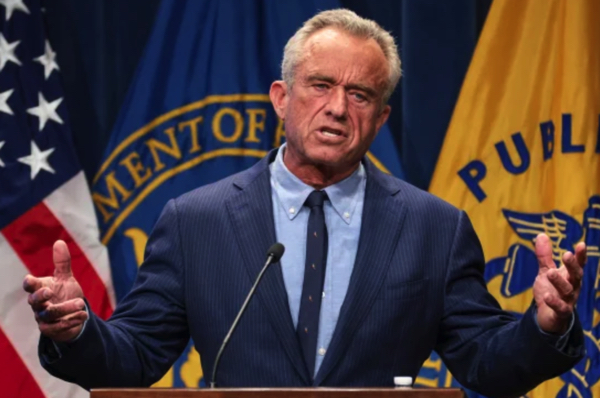
Kennedy signs PREP Act for hantavirus, faces backlash from medical freedom allies
By Cassie B. // Share
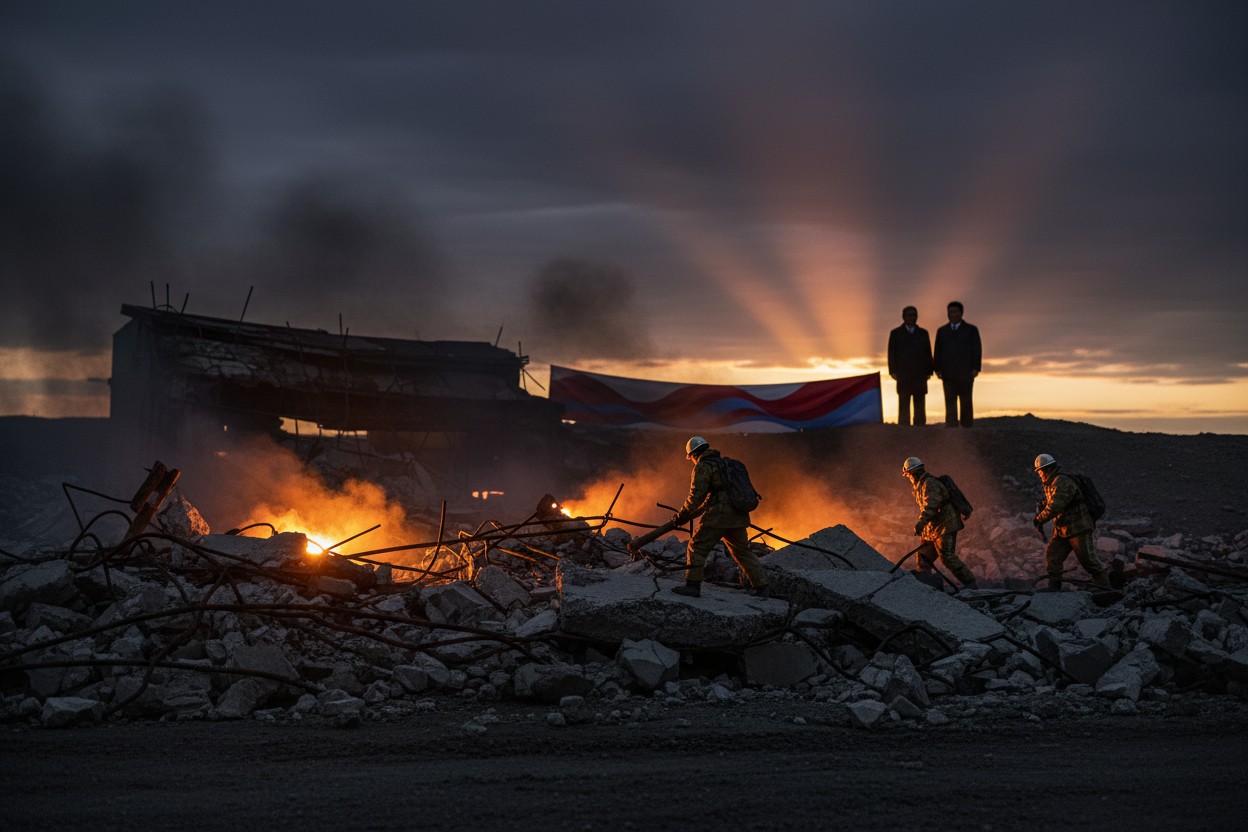
Putin Expresses Condolences to Xi After Deadly Coal Mine Explosion in China’s Shanxi Province
By Garrison Vance // Share


The plastic paradox: How your “recycled” leggings may be worsening the oceans they claim to save
By Patrick Lewis // Share
Recent News



Ukraine’s Patriot missile stockpile runs dry as Trump-Zelensky feud boils over
By isabelle // Share

Thyroid diet myths busted: Broccoli is fine, but your fancy sea salt isn’t
By isabelle // Share

The Pentagon's Desperate MOAB Plan: A Symbolic Attack That Won't Win the War
By healthranger // Share
Popular This Week