 Parler
 Gab
Gab Copy
Copy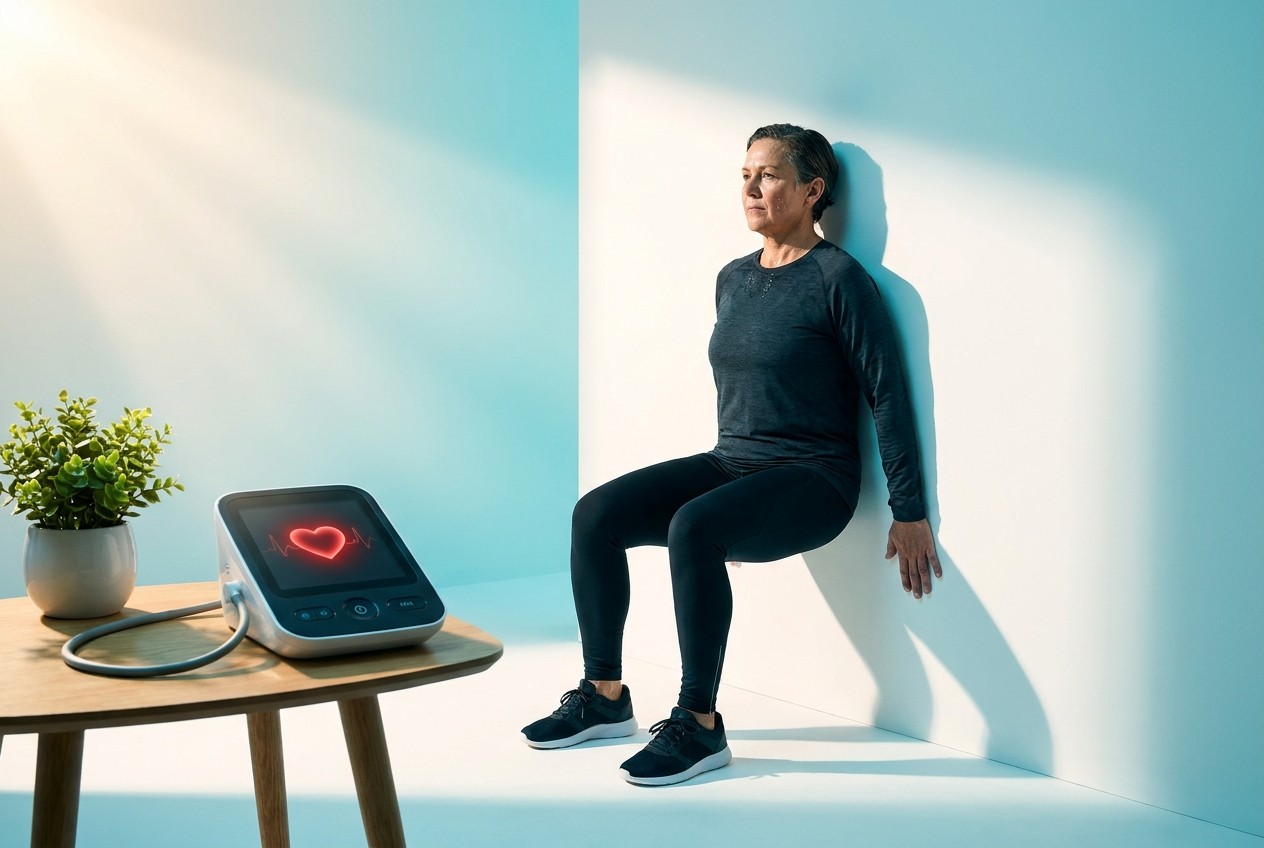
Medication Alone Did Not Control Readings for Half of Treated Participants
For participants already taking at least one blood pressure medication, the study offered little reassurance. Half of those treated still had readings of 140/90 or higher, the researchers found. The findings suggested that for many people, a daily pill did not resolve the underlying problem. The study authors acknowledged limitations. The research captured a single snapshot in time, and clinic readings can run higher when people feel nervous, according to the report. The report stated that the findings suggest the current approach is missing something important. High blood pressure strains artery walls, the heart, brain, kidneys and eyes over time, according to the British Heart Foundation. The organization says high blood pressure plays a role in about half of heart attacks and strokes in the United Kingdom. As one widely cited health resource put it, high blood pressure is often called the silent killer because it rarely produces noticeable signs, and most people are unaware their blood pressure is elevated [2].Condition Often Produces No Symptoms Until Serious Event
High blood pressure has earned the nickname the silent killer because most people feel completely normal, the report stated. Because there are no obvious warning signs, people often learn about the problem only after a serious event such as a heart attack or stroke, according to researchers. The condition affects adults across age groups, including younger adults, the study found. Authors of a medical reference observed that high blood pressure typically does not cause noticeable symptoms, which is why it is often first detected during a routine physical exam [3]. Another clinical resource noted that high blood pressure often develops without noticeable discomfort and that most people feel completely normal, which is why it frequently goes unnoticed [4]. The British Heart Foundation said knowing your numbers is an important step for heart health. Researchers emphasized that early detection and monitoring remain central to preventing complications.Separate Trial Reports Wall Sits Lowered Systolic Pressure
A separate 2026 trial published in BMJ Open Sport & Exercise Medicine examined a simple exercise intervention. The trial involved 100 adults with normal to high-normal blood pressure, researchers said. Participants performed wall squats, also called wall sits, with four holds and short rests three times a week. After four weeks, systolic pressure fell about 9.5 points more than in a group that skipped the exercise, the trial reported. After eight weeks, three sessions a week saw a nearly 14-point drop, researchers said. One session a week preserved much of the benefit, but stopping the exercise altogether erased the gains, according to the trial. The findings added to a broader body of research on exercise and blood pressure. A recent meta-analysis found that circuit training may lower blood pressure most, with combined aerobic-resistance training ranking a close second. The review compared multiple exercise modalities, including aerobic training, resistance training, isometric exercise and high-intensity interval training, researchers said [5].Conclusion: Report Suggests Monitoring and Lifestyle Steps
The report suggested home blood pressure monitoring using an upper-arm monitor, with two readings each morning and evening for a week, then sharing the results with a practitioner. Over time, home tracking may show which lifestyle changes are working. The report also listed natural strategies including wall sits, potassium- and nitrate-rich foods such as organic avocados, spinach, sweet potatoes, black beans, beets and arugula, reduced processed foods, hibiscus tea, garlic, magnesium-rich foods, adequate sleep and slow breathing. Some of these approaches have modest clinical backing; dietitians said hibiscus tea and beet juice may offer modest benefits as part of a broader heart-healthy eating pattern, though neither should replace prescribed medication [6]. Research on herbs for blood pressure remains mixed, and health officials recommend consulting a doctor before using herbs for blood pressure, according to a separate report [7].References
- The Complete Guide to Exercise Referral Working with Clients Referred to Exercise Complete Guides by Debbie Lawrence Louise Barnett-1
- Silent Symptoms: Why High Blood Pressure Often Goes .... https://www.thpctx.com/blog/1370882-silent-symptoms-why-high-blood-pressure-often-goes-unnoticed-until-its-serious/
- Can Trigger Sudden Blindness yet Often Goes - Mercola.com, May 07, 2019.
- Silent Hypertension: Why High Blood Pressure Often Goes Unnoticed. https://springfieldmedicalclinic.com/blogs/silent-hypertension-why-high-blood-pressure-goes-unnoticed
- Meta-Analysis Finds Circuit Training May Lower Blood Pressure Most. https://www.naturalnews.com/2026-10-06-analysis-circuit-training-may-lower-blood-pressure.html
- Beet Juice, Hibiscus Tea May Support Lower Blood Pressure, Dietitians Say. https://www.naturalnews.com/2026-09-27-beet-juice-hibiscus-tea-lower-blood-pressure.html
- Herbs That May Lower Blood Pressure, According to Research. https://www.naturalnews.com/2026-09-16-research-herbs-that-may-lower-blood-pressure.html
Explainer Infographic


Pentagon reportedly readies ‘mother of all bombs’ options for Iran as Election Day nears
By Cassie B. // Share

Eight States Sue OpenAI Over ChatGPT Age Verification and Consumer Protection Claims
By Chase Codewell // Share

Thyroid diet myths busted: Broccoli is fine, but your fancy sea salt isn’t
By Cassie B. // Share

Three-Minute Sprint Workout May Boost Longevity, Study Finds
By Petra Stone // Share

Argentinian official who oversaw Pfizer COVID trial now charged in fentanyl death cover-up
By Willow Tohi // Share
Methylchloroisothiazolinone: The Common Preservative That Could Irritate Your Skin
By Zoey Sky // Share
Thyroid diet myths busted: Broccoli is fine, but your fancy sea salt isn’t
By isabelle // Share

The Pentagon's Desperate MOAB Plan: A Symbolic Attack That Won't Win the War
By healthranger // Share

The AI Investment Bubble Is Starting to Crack ... and You Might Be Exposed Without Knowing It
By healthranger // Share
Eight States Sue OpenAI Over ChatGPT Age Verification and Consumer Protection Claims
By chasecodewell // Share
Study Finds Many Adults With High Blood Pressure Unaware
By morganverity // Share