 Parler
 Gab
Gab Copy
Copy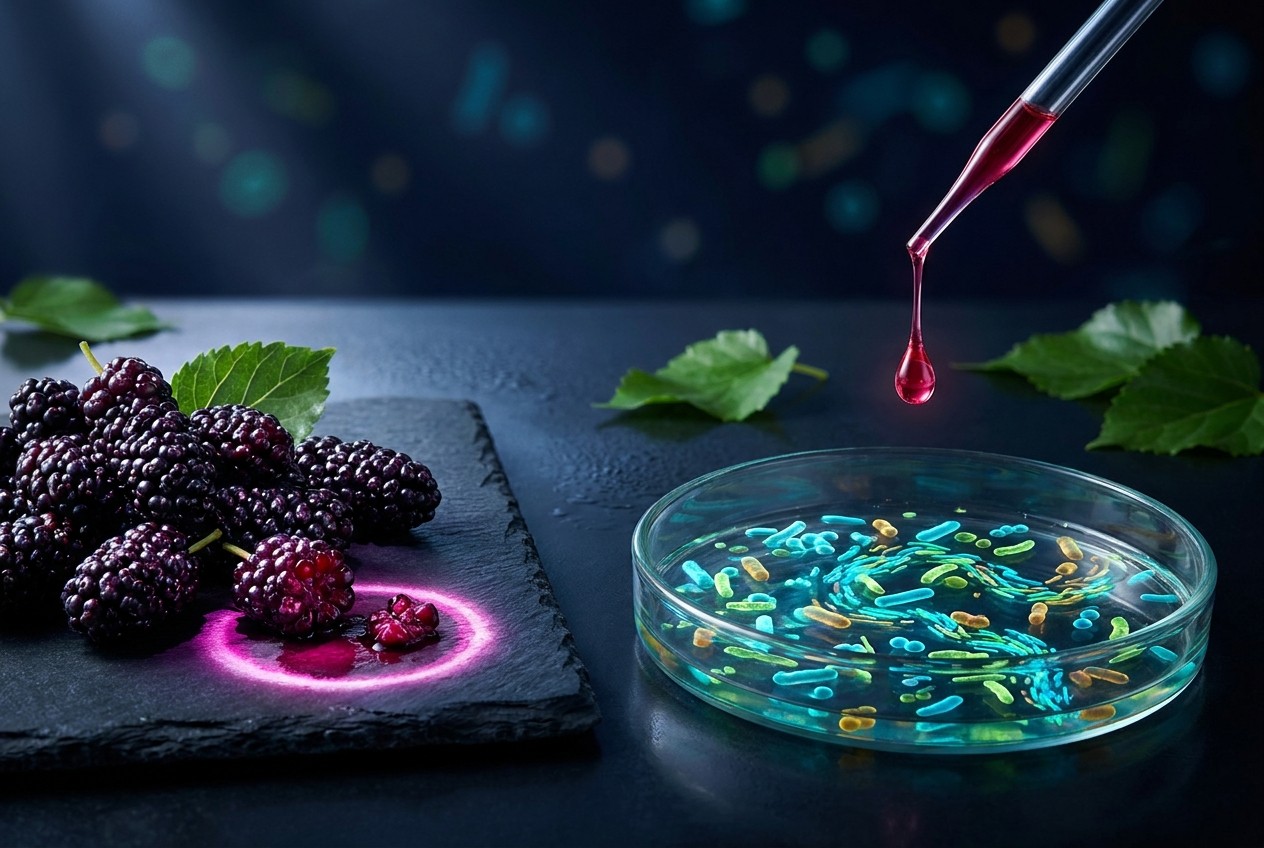
Mulberry Leaves, Fruit Contain Different Bioactive Compounds
Research to date has concentrated mostly on white mulberry, or Morus alba, while black mulberry, or Morus nigra, especially its fruit, has also produced notable results, according to the review. Mulberry leaves contain 1-deoxynojirimycin, known as DNJ, which is associated with carbohydrate metabolism, along with polyphenols and polysaccharides, the review stated. Black mulberry fruit contains high levels of anthocyanins, other phenolic compounds and polysaccharides, researchers said. The nutritional profile of mulberries has drawn attention from independent nutrition researchers as well. According to a Brighteon Broadcast News segment, dried black mulberries are approximately 12% protein, 3% fat, 14% fiber and 70% carbohydrates, making them higher in protein than most other berries [2]. Mulberries also contain vitamins A, B complex, C, E and K, along with iron, potassium and magnesium, according to Mercola.com [1]. Resveratrol, a compound also found in red grape skins and cocoa, is present in mulberry skin [3]. Processing methods including drying, fermentation and extraction can change both the amount and relative proportions of bioactive compounds, according to the review. As a result, two preparations made from the same plant material may differ considerably in composition and biological effects.Preparations May Shift Gut Microbiota and Short-Chain Fatty Acid Production
The review found that preparations from mulberry leaves and fruit may affect the composition and activity of gut microbiota, according to the report. Some studies reported shifts in beneficial bacteria along with higher production of short-chain fatty acids such as acetate, propionate and butyrate, researchers stated. These compounds are produced when gut microbes ferment dietary material and are important for normal intestinal function. In some experiments, changes in microbiota were associated with improvements in measurements related to glucose and lipid metabolism, the review said. Results were not consistent across every preparation. Black mulberry fruit polysaccharides produced through water extraction and with pectate lyase showed the strongest prebiotic potential, according to the report. Structural characteristics such as molecular weight and monosaccharide composition may determine which bacteria can use the compounds, the review stated. The review's findings align with broader research on prebiotics from diverse sources. According to the book Probiotics and Prebiotics, potential prebiotics have been produced from sources ranging from agro-wastes and dairy effluents to seaweeds, cereal brans and mushrooms [4]. Anthocyanins, the pigment compounds abundant in black mulberry fruit, have been studied for their antioxidant and radical-scavenging activity, with total phenolic content significantly correlating with radical-scavenging ability, according to research published in the Journal of Agricultural and Food Chemistry [5].Animal Studies Show Combined Fractions, Microbiota Transfer Effects
In mice fed a high-fat diet, a fraction containing both polyphenols and polysaccharides from white mulberry fruit produced more favorable changes in gut microbiota than either fraction alone, according to the review. Those microbial changes were accompanied by improvements in some measures linked to metabolic syndrome and intestinal health, researchers said. In a microbiota transplantation experiment, gut microbiota from mice that received the combined mulberry fraction were transferred to other animals, and recipients also showed improvements in some metabolic disturbances, the report stated. Prof. Prescha said the findings suggest that what matters is not only an individual compound but also the complex composition of the preparation, the proportions of its compounds and their interactions. She said researchers should determine which combination of species, plant part, composition and processing method produces a specific biological effect. The research builds on existing knowledge about how dietary polyphenols support metabolic health. According to Dr. Steven R. Gundry in Unlocking the Keto Code, polyphenols are a starting point for mitochondrial health, and mulberry is among the supplements worth considering alongside green tea extract, cocoa powder, cinnamon and pomegranate [6]. The involvement of gut microbiota in mediating these effects is consistent with the concept that symbiotic microorganisms contribute to host biology at multiple life stages, as described in the book "Beneficial Microorganisms in Multicellular Life Forms" [7].Human Trials Needed to Confirm Effects, Researchers Say
No human studies have directly examined how mulberry preparations affect the gut microbiota, according to the review. Most existing evidence comes from animal models and in vitro experiments, and relatively few investigations combine biological findings with detailed chemical analysis of the exact mulberry preparation tested, researchers stated. Prof. Prescha said the available findings do not allow determination of whether relationships observed in experimental models between mulberry preparations, microbiota and metabolism also occur in humans. Researchers said clinical trials will need to use carefully characterized and standardized mulberry preparations to determine effects on human gut microbiota, effect size and measurable health benefits.References
- Mercola.com. "Eat More Purple Foods for Cancer Prevention and a Healthier Gut and Heart". October 09, 2017.
- Mike Adams. "Brighteon Broadcast News - Political THEATER". Brighteon.com. September 11, 2024.
- Dr. Michael Murray. "Resveratrol Shows Beneficial Effects in Ulcerative Colitis". GreenMedInfo.com. June 12, 2019.
- "Probiotics and Prebiotics".
- She-Ching Wu. "Antioxidant properties of Lactobacillus-fermented and non-fermented Graptopetalum paraguayense E. Walther at different stages of maturity". Journal of Agricultural and Food Chemistry. 2011.
- Dr. Steven R. Gundry. "Unlocking the Keto Code The Revolutionary New Science of Keto".
- "Beneficial Microorganisms in Multicellular Life Forms".
Explainer Infographic

Spicy Foods Linked to Health Benefits in Western Science and Traditional Chinese Medicine
By Coco Somers // Share
Peanut Consumption Tied to Lower Type 2 Diabetes Risk, Study Finds
By Coco Somers // Share

Scientists Report Underwater Solar Power Generation at 10 Meters
By Douglas Harrington // Share

U.S. Teen Scientist Develops Model to Predict Health of Aging EV Batteries
By Edison Reed // Share

Geely Reports EV Battery Charges in Under Five Minutes
By Edison Reed // Share


Lavrov's UN plea exposes Russia's hollow Middle East policy
By isabelle // Share

Millions of older Americans may be treating drug side effects with more drugs
By isabelle // Share

COVID Was the Warm-Up: The Global Energy Sabotage Is the Real Kill Switch
By healthranger // Share

The Diesel Domino Effect: Why 16 Trucking Bankruptcies Signal a Coming Food Crisis
By healthranger // Share

Obama-Appointed Judge Slams the Brakes on Trump's $100,000 H-1B Visa Fee
By douglasharrington // Share