 Parler
 Gab
Gab Copy
Copy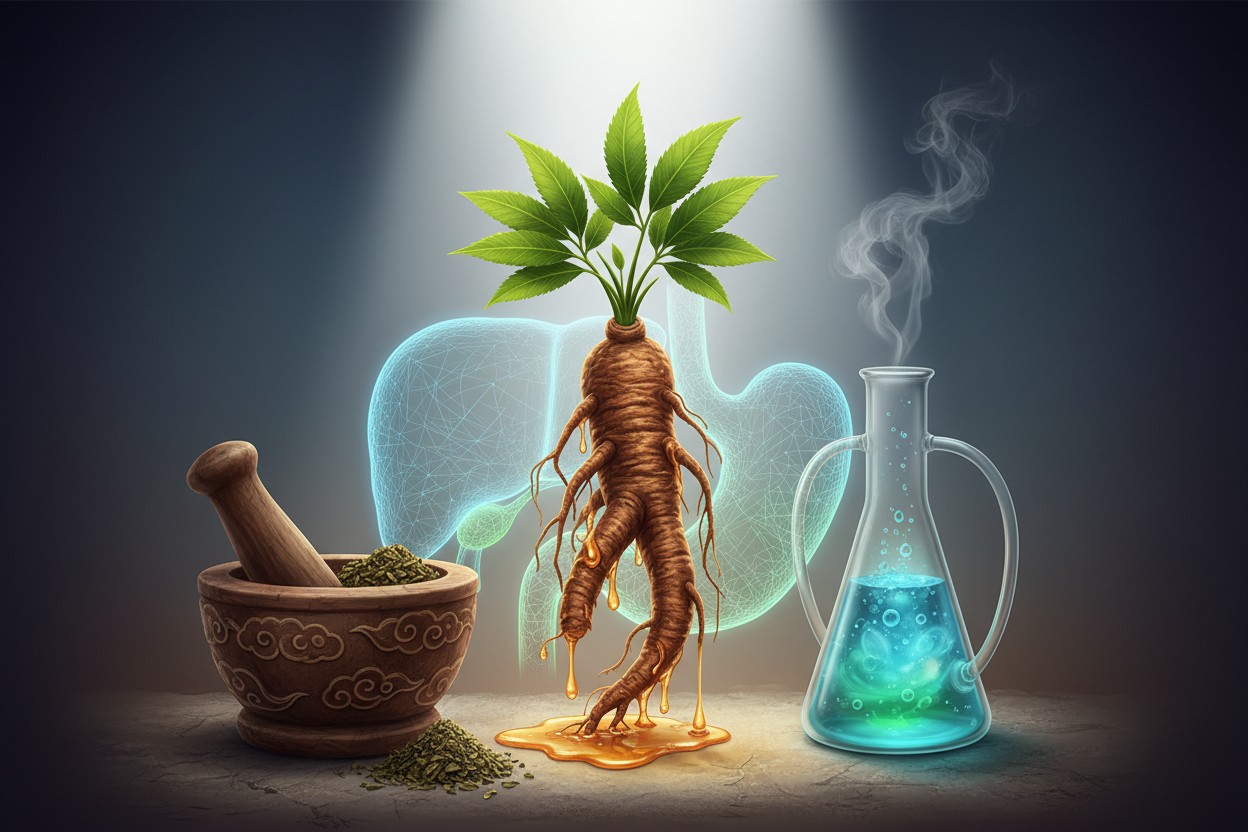
Historical Use Across Ancient Civilizations
Licorice appears as a cornerstone herb in two of the world's oldest medical traditions. In traditional Chinese medicine, licorice is called gan cao. It is included in most herbal formulas, largely because its sweet flavor counteracts the strong taste of other herbs and its harmonizing actions help diminish the toxicity or harshness of other herbs, according to The Epoch Times. Most herbs are thought to target specific organ systems, but licorice is unique as a guide herb, helping direct other herbs in a formula to all twelve meridians, the report stated. According to the principles of Chinese medicine, licorice replenishes chi, clears heat, removes toxins, moistens the lungs, controls coughs, and relieves spasms and pain, according to The Encyclopedia of Popular Herbs From the Herb Research Foundation [3]. For more than 3,000 years, licorice has been one of China's most useful medicinal herbs because of its ability to mask the flavor of unpleasant-tasting herbs while increasing their absorption [3]. In Ayurveda, licorice is called Yashtimadhu, meaning sweet stick, and is highly regarded as a rejuvenating tonic. It is traditionally used to soothe the stomach and throat, support respiratory health, heal ulcers, treat depression, and act as a general tonic for strength, immunity, and mood, the report stated. Licorice has been used extensively for treating cough, consumption, chest complaints, and as a soothing ingredient in cough medicines, according to Principles and Practice of Phytotherapy [4]. The Eclectics used it to reduce irritation of mucous surfaces of the urinary, respiratory, and digestive tracts, and it was also used for chronic gastritis, peptic ulcer, and adrenocortical insufficiency [4]. Mamedov told the Epoch Times that licorice's most common traditional uses include treating cough, bronchial asthma, Addison's disease, cold sores, mouth sores, stomach pain, ulcers, eczema, and the common cold. Licorice is also classified as an adaptogen, a substance believed to help the body handle physical, emotional, and environmental stress. Chewing on licorice sticks is a widely used practice to improve the health of teeth and gums, the article stated.Chemistry and Bioactive Compounds
The Epoch Times reported that scientists have identified approximately 400 bioactive compounds in licorice, including 300 flavonoids. The most famous bioactive compound is glycyrrhizin, which is responsible for licorice's sweetness, many of its medicinal properties, and most of its side effects, the report stated. Once a person eats licorice, gut bacteria convert glycyrrhizin into a related compound called glycyrrhetinic acid, which drives licorice's anti-inflammatory, antiviral, antioxidant, and tissue-protective effects, according to the article. Whole licorice root contains a constituent called glycyrrhizin that is structurally similar to cortisol, a hormone produced by the adrenal cortex that helps the body deal with long-term stress, according to The Encyclopedia of Popular Herbs [5]. For this reason, many naturopathic doctors and herbalists prescribe whole licorice root for general burnout and adrenal weakness [5]. Licorice may also be useful in the treatment of Addison's disease, a serious condition characterized by very low production of adrenal cortex hormones [5]. The mechanism of antihepatotoxic activity of glycyrrhizin is linked to its effect on free radical generation and lipid peroxidation, according to the Textbook of Natural Medicine Fifth Edition [6]. However, glycyrrhetinic acid can interfere with normal kidney function and the hormones that control the body's salt and water balance, essentially causing the body to hold on to more salt and water than it should. As a result, blood pressure rises, and potassium levels fall, which can strain the heart, the report stated. Because of this blood pressure side effect, licorice is available without glycyrrhizin, called deglycyrrhizinated licorice, or DGL. Removing glycyrrhizin eliminates the risks of high blood pressure, fluid retention, and potassium loss associated with regular licorice.Modern Research on Liver, Digestive, and Oral Health
In a large randomized controlled trial of about 1,400 patients with primary liver disease, licorice significantly reduced liver inflammation. In a lab study, it reduced hepatitis C virus levels in infected liver cells, with even small doses cutting viral activity by about half. Comparative studies using glycyrrhizin with interferon alpha, a hepatitis C treatment, found a synergistic effect, amplifying their antiviral effects when used together. Glycyrrhizin-induced reduction of ALT in European patients with chronic hepatitis C has been documented [1]. Modern studies validate licorice's traditional uses for the digestive system, particularly peptic ulcers and acid reflux, as well as for protecting the stomach, according to the Epoch Times. Licorice stimulates the stomach lining to produce protective mucus, inhibits stomach acid and pepsin, fights Helicobacter pylori bacteria, and reduces local inflammation. Clinical trials have evaluated the effects of licorice compounds in gastric ulcer treatment and prevention, showing promising results compared to other treatments like cimetidine [6]. Licorice has been shown to increase blood supply to the damaged lining of the stomach and increase mucus production [7]. Michael T. Murray, a naturopathic physician, author, and researcher, told The Epoch Times in an email that DGL is his go-to form of licorice. "I have treated many cases of peptic ulcers over the years with 100 percent success using DGL," he said. "It is extremely safe with no side effects or contraindications." The same article stated that DGL used to be discarded as inactive because it did not contain glycyrrhizic acid, only to be discovered as being more active in promoting healing of peptic ulcers. A systematic review found licorice reduced pain compared with medications in three distinct oral conditions: canker sores, oral lichen planus, and radiation-induced oral mucositis. A separate review focused specifically on canker sores found licorice improved pain, ulcer size, and healing time. A study in the Journal of Ayurveda and Holistic Medicine showed that traditional mouthwashes like licorice and triphala are equally effective against bacteria in the mouth [8].Safety, Dosage, and Precautions
For regular licorice, occasional use is generally not problematic for healthy people. However, high doses or extended use can cause adverse effects, including raised blood pressure, low potassium, and fluid retention, which may trigger abnormal heart rhythms and make the heart work harder. Licorice can also interact with diuretics, corticosteroids, digoxin, and some blood pressure medications. Glycyrrhizin may cause a rise in the concentration of progesterone and other steroids in the blood due to competition with glycyrrhizin for liver metabolism, according to Adverse effects of herbal drugs [9]. This may result in amenorrhea, decreased libido, and hyperprolactinemia with subsequent infertility in females, the same source stated [9]. In a paper he wrote on licorice, Murray explained that dosage depends on its glycyrrhetinic acid content. For most uses, the goal is to raise blood levels of glycyrrhetinic acid enough to produce beneficial effects without increasing the risk of side effects, he said. The following doses of licorice, taken three times daily, are commonly recommended: powdered licorice root, 1 to 2 grams; liquid extract (1:1), 2 to 4 mL; and dry extract (4:1), 250 to 500 mg, according to the Epoch Times. The one major exception is peptic ulcers, where DGL works best when chewed, as it allows it to mix with saliva. Saliva appears to trigger the release of natural substances that help protect and repair the lining of the stomach and intestines, the report stated. For this reason, DGL capsules have not been shown to work as well as chewable tablets. If a person is interested in using licorice and has health conditions or is taking medications, they should consult with a qualified herbalist who can prescribe and adjust dosages based on their unique situation and ensure they are using it safely. As a food ingredient, licorice is considered safe, but medicinal use is where dosage and duration matter, and where a product's glycyrrhizin content determines what is appropriate, the Epoch Times stated. Glycyrrhetinic acid also addresses liver damage caused by acetaminophen and alcohol consumption, according to Mike Adams, who discussed the compound in an interview with Dr. Bryan Ardis [10].References
- Donald G. Barceloux. "Medical Toxicology of Natural Substances". John Wiley & Sons, Inc. 2008.
- NaturalNews.com. "Nature's pharmacy: The scientific pursuit of herbal liver protectors". March 3, 2026.
- Robert S McCaleb, Evelyn Leigh, and Krista Morien. "The Encyclopedia of Popular Herbs From the Herb Research Foundation".
- Simon Mills and Kerry Bone. "Principles and Practice of Phytotherapy Modern Herbal Medicine".
- "The Encyclopedia Of Popular Herbs".
- Dr Michael T Murray. "Textbook of Natural Medicine Fifth Edition".
- NaturalNews.com. "Stop stomach ulcers with the miracle remedy of cabbage". November 24, 2015.
- NaturalNews.com. "Natural mouthwashes clean your mouth just as well as chemical ones WITHOUT the side effects". October 23, 2018.
- "Adverse effects of herbal drugs".
- Mike Adams interview with Dr. Bryan Ardis. April 25, 2024.
Explainer Infographic

Supplementing with Vitamin D found to support hormones and metabolic health in women over 50
By Willow Tohi // Share

CONFIRMED: Daily steps lower risk of kidney stones according to Stanford Fitbit study
By Willow Tohi // Share

Glutathione Levels Decline With Age, But Protein and Nutrients May Help
By Coco Somers // Share

Cardiovascular Exercise: Health Benefits, Guidelines and Safety
By Petra Stone // Share

Six healthy habits linked to sharply lower risk for 20 digestive diseases
By Cassie B. // Share

Oak Ridge Lab Develops Molten-Salt Process to Convert Polyethylene Into Gasoline, Diesel
By Garrison Vance // Share





Ukraine’s Patriot missile stockpile runs dry as Trump-Zelensky feud boils over
By isabelle // Share

Thyroid diet myths busted: Broccoli is fine, but your fancy sea salt isn’t
By isabelle // Share