 Parler
 Gab
Gab Copy
Copy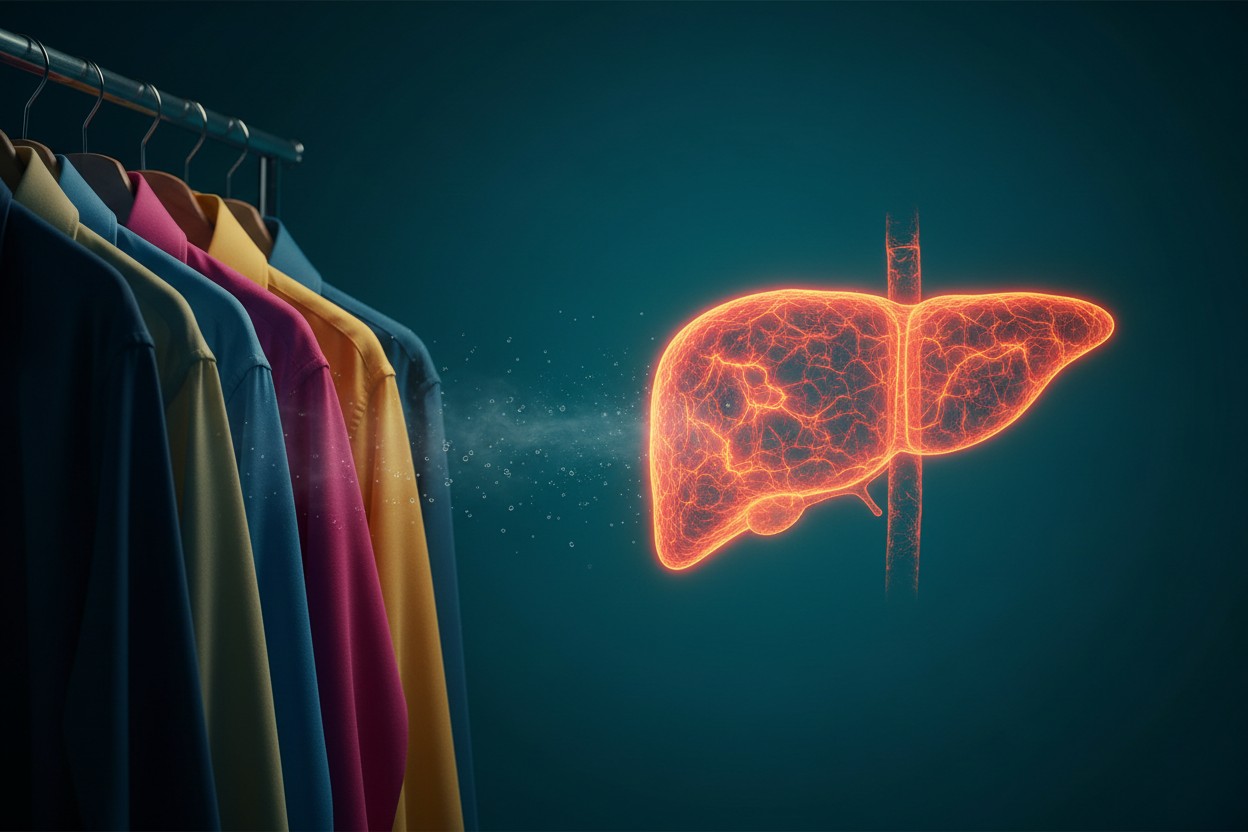
PCE Exposure Associated with Significant Liver Fibrosis
Exposure to tetrachloroethylene (PCE), a chemical commonly used in dry cleaning, was associated with a threefold higher risk of significant liver fibrosis, according to a study published Sept. 7 in Liver International by researchers at Keck Medicine of the University of Southern California (USC). The research, which analyzed nationally representative data from the National Health and Nutrition Examination Survey (NHANES), found that individuals with detectable levels of PCE in their blood were more likely to have the dangerous buildup of scar tissue in the liver that can lead to failure or cancer. The analysis included blood measurements from U.S. adults aged 20 and older collected from 2017 to 2020, and researchers reported that approximately 7% of the population had detectable PCE levels. The association between PCE exposure and significant liver fibrosis persisted even after the investigators accounted for factors such as age, sex, race, ethnicity, education level, alcohol use, and metabolic conditions, according to the study authors. This research was highlighted in a ScienceDaily release from USC’s Health Sciences department, which noted that the findings point to a potentially overlooked environmental cause of liver disease. Other outlets have also reported on the elevated risk, with some noting the strong association between the chemical and severe, irreversible liver damage [1][2].Background: PCE Uses, Exposure Routes, and Regulatory Context
PCE is a synthetic, colorless liquid that is effective at dissolving grease, a property that has made it a staple in the dry-cleaning industry and a component in several household products, including arts and crafts adhesives, spot removers, and stainless steel polish. One of the primary ways people encounter the chemical is through inhalation, as dry-cleaned clothing can gradually release small amounts of PCE into the surrounding air. The chemical can also seep into groundwater following spills or improper disposal, contaminating drinking water supplies and creating another route of exposure [1]. Concerns regarding PCE’s health effects are not new. The International Agency for Research on Cancer (IARC) classifies the chemical as a probable carcinogen, and research has documented its toxicity to the human reproductive system, kidneys, skin, gastrointestinal system, and respiratory system [3]. PCE is also classified by the U.S. EPA as a likely carcinogen, according to a 2011 study on the chemical [4]. Because of its toxicity, the Environmental Protection Agency (EPA) has initiated a 10-year phaseout of PCE use in dry cleaning, a decision that some studies say is validated by the mounting evidence of its harmful effects [2][2].Study Design and Key Findings
The researchers at Keck Medicine of USC analyzed data from the National Health and Nutrition Examination Survey (NHANES), a program of studies designed to assess the health and nutritional status of adults and children in the United States. The study team examined blood measurements from people ages 20 and older that were collected between 2017 and 2020. They found that about 7.4% of the 1,600 adults sampled had detectable levels of PCE in their blood, and these individuals were three times more likely to have significant liver fibrosis compared to those without detectable exposure [1][5]. The analysis revealed a stark dose-response relationship between the chemical and liver damage. For every one nanogram per milliliter increase in PCE concentration, the odds of having significant liver fibrosis increased five-fold, according to the study [5]. Researchers also uncovered an unexpected socioeconomic pattern, finding that people from higher-income households were more likely to have been exposed to PCE, a correlation researchers suggested may be tied to the more frequent use of dry-cleaning services among that demographic [1]. Even tiny increases in exposure raised the risk, according to the report [5].Interpretation and Implications for Unexplained Liver Disease
One of the most notable findings was what the researchers did not observe. Alcohol consumption and fat buildup in the liver associated with obesity and other health conditions did not appear to explain the significant liver fibrosis seen in people who had PCE in their blood. This raises the possibility that environmental exposures could help explain cases of liver disease that otherwise seem difficult to account for, according to the study authors. Lead author Brian P. Lee, MD, MAS, a hepatologist and liver transplant specialist with Keck Medicine, emphasized that the study does not establish that PCE directly causes liver fibrosis, but he noted the strong association warrants attention. "This study, the first to examine the association between PCE levels in humans and significant liver fibrosis, underscores the underreported role environmental factors may play in liver health," Lee said in a statement. He added, "The findings suggest that exposure to PCE may be the reason why one person develops liver disease while someone with the exact same health and demographic profile does not." Lee also noted that patients will ask how they can have liver disease without drinking or having typical risk factors, and the answer may be PCE exposure. The findings suggest that chemicals in the environment deserve closer scrutiny in liver research, and Lee called for further study of other environmental toxins [5][1].Conclusion: Future Research and Clinical Considerations
The researchers state that the findings could eventually help doctors identify liver disease earlier in people who may not have traditional risk factors. "If more people with PCE exposure are screened for liver fibrosis, the disease can be caught earlier, and patients may have a better chance of recovering their liver function," said Lee [5]. The study’s limitations, including its cross-sectional design, mean direct causality cannot be established, but the researchers argue the findings warrant increased vigilance among clinicians and regulators. The study adds to a growing body of evidence linking the chemical to health problems, including cancer, and supports the push for regulatory action to protect public health [3][2]. As the EPA’s 10-year phaseout of PCE use in dry cleaning proceeds, the researchers hope that more attention will be paid to other environmental toxins. "No doubt there are other toxins in our environment besides PCE that are dangerous to the liver," Lee said [5].References
- NaturalNews.com. "Common dry cleaning chemical tetrachloroethylene linked to severe and potentially fatal liver damage, study finds". November 10, 2025.
- NaturalNews.com. "The pressing threat in your closet: Common dry cleaning chemical triples risk of irreversible liver damage". November 15, 2025.
- NaturalNews.com. "The hidden dangers of dry cleaning exposed". January 1, 2019.
- Environ. Toxicol. Chem. 2011;30:2481–2487. "QUANTIFICATION OF PERCHLOROETHYLENE RESIDUES IN DRY-CLEANED FABRICS".
- ChildrensHealthDefense.org. "Common Dry-Cleaning Chemical Tied to Liver Damage, Cancer and Other Health Issues". December 1, 2025.
Explainer Infographic


Moody’s: U.S. Families Now Paying $1,760 for War, Energy Spikes and Rate Hikes
By Sterling Ashworth // Share

Trump Threatens Further Strikes on Iran as U.S. Generals Warn of Overstretched Forces
By Garrison Vance // Share

Saudi Crown Prince Faces Regional Threats, Strained Alliances as Vision 2030 at Risk
By Garrison Vance // Share

Decades-old anthrax law quietly cleared the way for COVID-19 drug mandates, doctor says
By Cassie B. // Share

Study Links Phytochemical-Rich Diet to 52% Lower Colorectal Cancer Odds
By Coco Somers // Share

U.S. blocks Iran nuclear chief from IAEA conference, escalating diplomatic standoff
By Willow Tohi // Share





Ukraine’s Patriot missile stockpile runs dry as Trump-Zelensky feud boils over
By isabelle // Share

Thyroid diet myths busted: Broccoli is fine, but your fancy sea salt isn’t
By isabelle // Share