Join the movement to end censorship by Big Tech. StopBitBurning.com needs donations and support.
Beyond Almonds: 7 Surprising Magnesium Powerhouses for Heart, Bone, and Muscle Health
By cocosomers // 2026-09-09
Mastodon
 Parler
 Gab
Gab Copy
Copy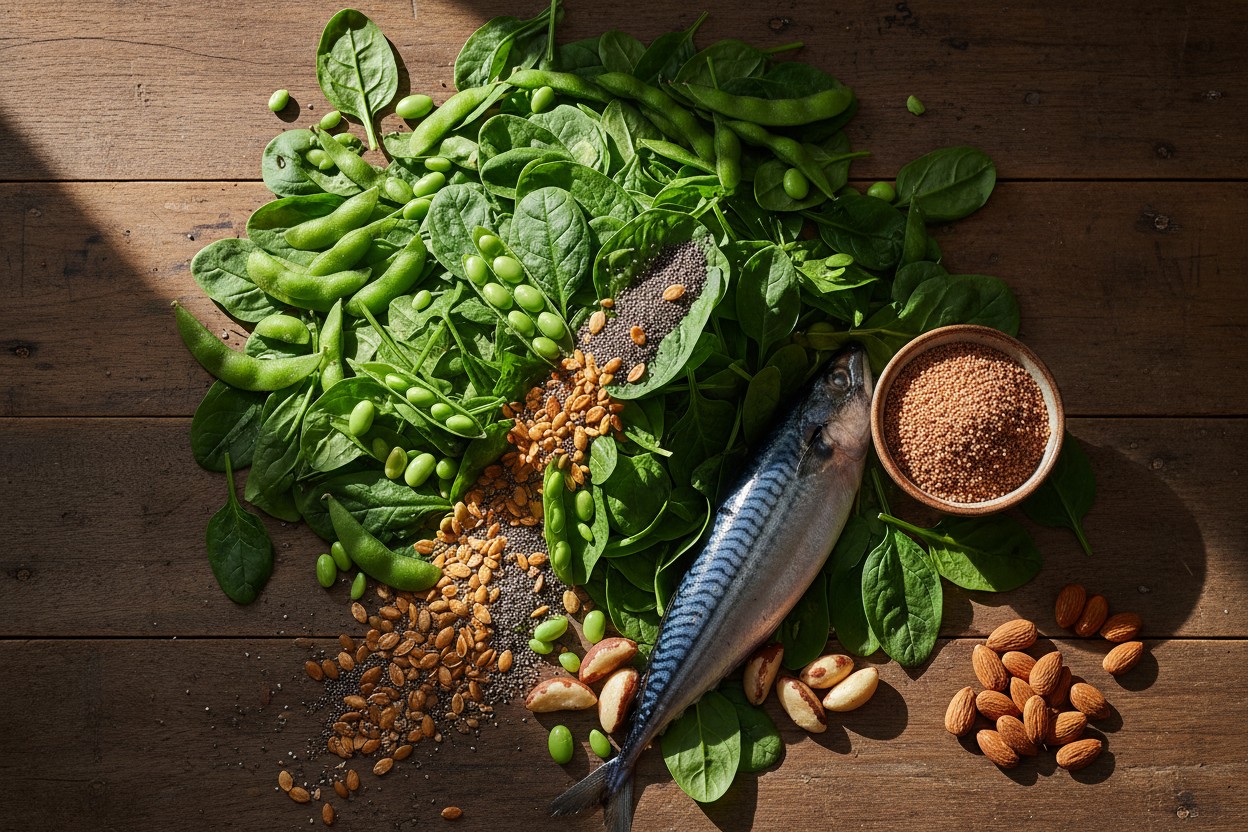
Almonds are frequently cited as a convenient source of magnesium, but federal nutrition data shows that at least seven other common foods contain higher amounts of the mineral per standard serving. Magnesium supports more than 300 enzymatic reactions in the body, including functions related to bone formation, muscle contraction, and blood pressure regulation, according to the National Institutes of Health as cited in reports [1].
The recommended dietary allowance for adults ranges from 310 to 420 milligrams per day depending on age and sex, yet estimates indicate that a significant portion of the population falls short [1]. One ounce of almonds provides 76.5 milligrams of magnesium, according to U.S. Department of Agriculture figures cited in a roundup of potent sources [2]. The following foods exceed that amount per serving, offering practical alternatives for individuals seeking to meet daily requirements.

Vegetable and Soy Sources: Spinach and Edamame
Cooked spinach ranks among the most concentrated vegetable sources of magnesium, delivering 157 milligrams per cup, which represents 38% of the Daily Value, according to USDA nutrition data cited in a report on magnesium-rich foods [2]. The leafy green also provides folate, iron, calcium, and vitamins C and E, along with potassium, per dietary analyses [3]. Dark-green leafy vegetables lead the pack when it comes to magnesium content, according to nutritional guidance [4]. Edamame, or shelled soybeans, provides 99 milligrams of magnesium per cup, meeting 24% of the Daily Value, according to the same federal data [2]. The legume also supplies protein and fiber, and sources note that tryptophan in edamame can serve as a dietary component for relaxation [5]. Cooked soybeans deliver an even higher concentration at 148 milligrams per cup, according to USDA figures [2].Seeds and Nuts: Pumpkin, Chia, and Brazil Nuts
Pumpkin seeds provide one of the highest magnesium concentrations among seeds, with one roasted ounce containing 156 to 168 milligrams depending on preparation, or roughly 37% of the Daily Value, according to USDA data [2]. Each ounce also supplies approximately 8.5 grams of protein along with iron and zinc, making the seeds a nutrient-dense snack option, according to the USDA National Nutrient Database cited in a report on pumpkin seeds [6]. Raw seeds, particularly pumpkin, sesame, and sunflower, rank among the best food sources for the mineral, per dietary guidance [7]. Chia seeds deliver 111 milligrams of magnesium per ounce, about 26% of the Daily Value, according to federal figures [2]. Brazil nuts offer 107 milligrams per ounce, meeting roughly 25% of the Daily Value, and additionally provide selenium and copper, per USDA data [2]. These nuts also contain saturated fat, according to the same source.Fish and Whole Grains: Mackerel and Amaranth
Mackerel provides 83 milligrams of magnesium per three-ounce serving, fulfilling 20% of the Daily Value, and serves as a source of vitamin D, vitamin B12, and omega-3 fatty acids, according to USDA data [2]. Fatty fish such as wild-caught Alaskan salmon and mackerel are listed among recommended magnesium sources in dietary guidance [7]. The omega-3 content in fish contributes to heart and metabolic health, per analyses of dietary fat sources [8]. Amaranth, a gluten-free ancient grain, provides 80 milligrams of magnesium per half-cup cooked portion, according to USDA figures [2]. The grain contains higher levels of protein and fiber than brown rice, making it a suitable alternative for those seeking whole-food magnesium sources, per nutrition analysts [2].Incorporating Magnesium-Rich Foods Into Daily Meals
Dietitian Maggie Moon stated in a report on magnesium sources, "Magnesium is a master multitasker around the body and is essential for energy metabolism, muscle function, bone formation, blood pressure regulation, blood sugar control, immune health, and more" [2]. Pairing sources such as pumpkin seeds with almonds or mackerel with quinoa can increase overall intake, according to healthy eating recommendations [2]. A diverse diet that includes multiple magnesium-dense foods is advised because absorption of the mineral varies by source. Consuming a variety of magnesium-rich foods daily is recommended because less than half of consumed magnesium is absorbed, and factors such as caffeine consumption, age, and certain medications can affect uptake, according to nutritionists [2]. Magnesium deficiency often goes undetected in standard blood tests since only about 1% of the body's magnesium circulates in the bloodstream, with the remainder stored in bones and organs, per medical reports [7].Conclusion: Meeting Magnesium Requirements
Daily magnesium requirements vary by age and sex, with adult needs spanning 310 to 420 milligrams depending on the individual, according to federal guidelines [1]. Almonds provide 76.5 milligrams per ounce, a respectable amount, yet the seven foods detailed here all offer higher concentrations per standard serving, according to USDA data [2]. Choosing among spinach, edamame, pumpkin seeds, chia seeds, Brazil nuts, mackerel, and amaranth provides a practical path toward meeting the recommended intake. Individuals concerned about their magnesium status should discuss intake with a healthcare provider, according to dietary guidance [1].References
- NaturalNews.com. "Magnesium-Rich Foods: A Guide to Dietary Sources and Intake Recommendations". May 24, 2026.
- NaturalNews.com. "Seven potent food sources of MAGNESIUM that offer a natural shield against inflammation". April 10, 2026.
- GreenMedInfo.com. "Magnesium-Rich Foods and Why You Need Them".
- Mercola.com. "Magnesium Deficiency Raises Your Risk of Many Diseases". September 06, 2017.
- NaturalNews.com. "The Science of Sleep: How Nutrition Can Transform Your Nightly Rest". May 13, 2026.
- NaturalNews.com. "Pumpkin Seeds: A Plant-Protein Powerhouse". August 31, 2026.
- Mercola.com. "Is Magnesium the Missing Link in Your Heart Health?". January 16, 2017.
- Amy Shah. "I'm So Effing Tired".
Explainer Infographic

Mastodon
Parler
Gab
Copy
Tagged Under:
natural medicine food nutrients longevity minerals alternative medicine Whole Foods natural health prevention diet natural cures supplement spinach food science phytonutrients remedies deficiency magnesium pumpkin seeds RDA food cures goodscience goodhealth goodfood dietary intake grocery cures health science
You Might Also Like
The cold truth about vegetable storage: Why your refrigerator is ruining your produce
By Willow Tohi // Share

Safflower Research Examines Heart, Blood Sugar Effects
By Coco Somers // Share

Study Shows What Happens to Your Body When You Drink Elderberry Tea
By Iva Greene // Share

The tiniest molecule, the biggest promise: How molecular hydrogen is reshaping medicine
By Willow Tohi // Share

GrafTech and Antora Develop Carbon Thermal Batteries for Round-the-Clock Industrial Heat in U.S.
By Edison Reed // Share
Recent News





Ukraine’s Patriot missile stockpile runs dry as Trump-Zelensky feud boils over
By isabelle // Share

Thyroid diet myths busted: Broccoli is fine, but your fancy sea salt isn’t
By isabelle // Share
Popular This Week