 Parler
 Gab
Gab Copy
Copy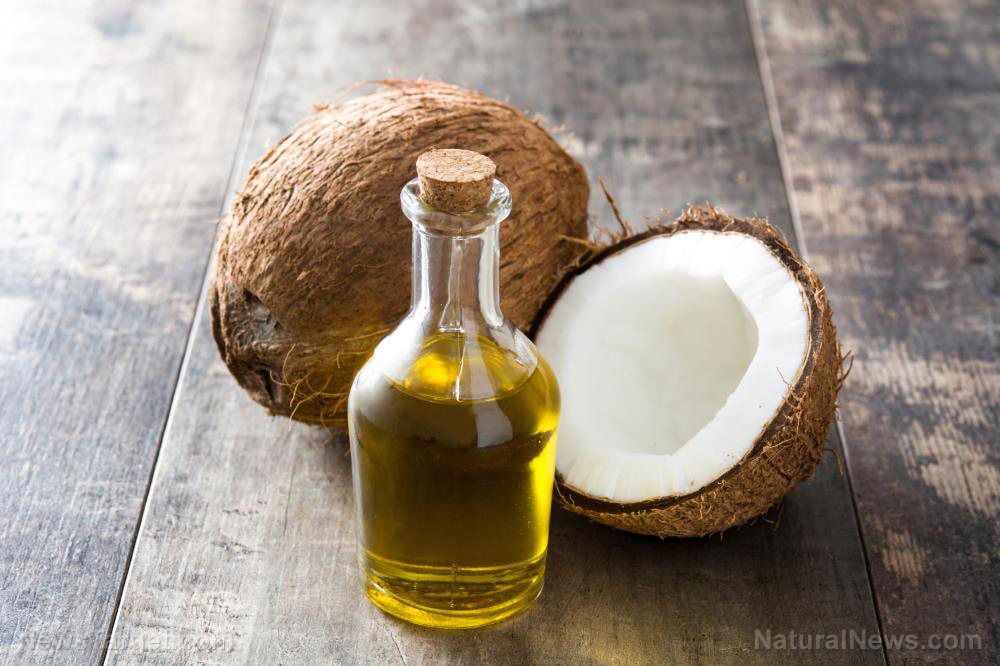
Coconut oil, with its rich content of medium chain fatty acids, has been described as an "ideal food source for weight reduction."[vii] When 20 obese, but otherwise healthy, adults added virgin coconut oil to their diet for four weeks, waist circumference was significantly reduced, by a mean of 2.86 centimeters.[viii]
"All the participants in this study were instructed to continue their normal daily diet and physical activities to minimize possible weight reduction," the researchers noted, which means just adding coconut oil was beneficial, even without further dietary or activity changes.
In another example, 40 women between the ages of 20 and 40 years followed a balanced diet, walked for 50 minutes a day and took either a soybean oil or coconut oil supplement for 12 weeks.[ix] While both groups had reductions in BMI, only the coconut oil group had a reduction in waist circumference -- and the soybean oil group had a negative change in cholesterol, with LDL to HDL ratio increasing while beneficial HDL decreased.
2. Turmeric (Curcumin)The spice turmeric, known for its active phytocompound curcumin, is a powerful anti-inflammatory and some research suggests curcumin may increase basal metabolic rate thereby increasing energy expenditure and improving weight and metabolic status. In fact, a meta-analysis of 21 studies revealed that curcumin intake significantly reduced not only BMI and weight but also waist circumference.[x]
3. GrapefruitGrapefruit, rich in antioxidants and fiber, has anti-inflammatory effects -- along with at least 15 other beneficial pharmacological actions. Folklore has long suggested that grapefruit is useful for weight loss, and when 74 overweight adults ate half of a fresh red grapefruit with each meal for six weeks, modest weight loss was indeed confirmed -- along with a significant reduction in waist circumference.[xi]
Even using grapefruit seed oil topically may be beneficial. In one study, participants received a whole-body aromatherapy massage daily for six weeks, receiving either massage oil containing 3% grapefruit, cypress and other aromatherapy oils or a placebo oil (grapeseed oil).[xii]
They also massaged their abdomen with the oil twice daily (five days a week) for six weeks. The group receiving grapefruit seed oil had a significant reduction in abdominal subcutaneous fat and waist circumference.
4. Green TeaGreen tea contains beneficial polyphenols known as catechins, which have shown promise for influencing energy metabolism, weight and body fat, especially abdominal fat and fat surrounding the abdominal organs. In a study of 182 moderately overweight adults in China, those who consumed two daily servings of extra high-catechin green tea for 90 days had significant reductions in intra-abdominal fat and waist circumference.[xiii]
The amount of catechins in tea varies widely, but one study found that Korean and Japanese green tea contained the highest amounts of catechins while green tea from Nepal, India and China contained the lowest.[xiv]
5. Dark ChocolateCocoa-rich dark chocolate (containing at least 70% cocoa) is rich in beneficial polyphenolic compounds such as flavanols, epicatechin and procyanidins. Researchers investigated its effects on women with normal weight obese syndrome, which refers to people who are normal weight but have a high percentage of total body fat.[xv]
The women consumed dark chocolate containing 70% cocoa for seven days, which led to a reduction in abdomen circumference, along with other benefits like increased HDL cholesterol.
6. Vitamin DIf you're deficient in vitamin D, you may be more likely to have higher levels of visceral obesity.[xvi] Several studies have confirmed that vitamin D deficiency is associated with greater visceral fat thickness,[xvii] and even after adjusting for other factors like physical activity, chronic disease and alcohol intake, "In all cases the greater the amount of belly fat, the lower the levels of detected vitamin D."[xviii]
It's unclear whether lack of vitamin D accelerates visceral fat accumulation or if visceral fat is reducing vitamin D levels, but either way if you're struggling with belly fat, getting your vitamin D levels checked, and ensuring you're getting enough, makes sense.
Because the accumulation of belly fat can occur for many reasons, a comprehensive approach will work best. In addition to the six substances mentioned here, at least 41other natural substances may also be useful for targeting belly fat, while others -- like sugar-sweetened beverages and monosodium glutamate (MSG) -- may promote it. Read more at: GreenMedInfo.com
The overlooked mineral that fights cancer, strengthens bones and eases arthritis pain
By Evangelyn Rodriguez // Share


Science validates coffee’s emotional power—but with one critical caveat
By Ava Grace // Share
The silent sentinel: How your resting heart rate reveals hidden stress and illness
By Belle Carter // Share

Ultra-processed plant foods: The hidden heart risk behind “healthy” alternatives
By Patrick Lewis // Share

A daily handful of nuts linked to 20% lower death risk
By News Editors // Share


Ukraine’s Patriot missile stockpile runs dry as Trump-Zelensky feud boils over
By isabelle // Share

Thyroid diet myths busted: Broccoli is fine, but your fancy sea salt isn’t
By isabelle // Share

The Pentagon's Desperate MOAB Plan: A Symbolic Attack That Won't Win the War
By healthranger // Share

The AI Investment Bubble Is Starting to Crack ... and You Might Be Exposed Without Knowing It
By healthranger // Share

Eight States Sue OpenAI Over ChatGPT Age Verification and Consumer Protection Claims
By chasecodewell // Share